
Inspection Stories · Story #001
A severe crawlspace moisture problem led the inspection beyond the obvious symptoms—and toward a suspected underground irrigation leak outside the home.
The concern
The inspection was asked to give additional attention to moisture near the crawlspace access. When the access was opened, noticeably humid air and a strong musty odor were immediately apparent.
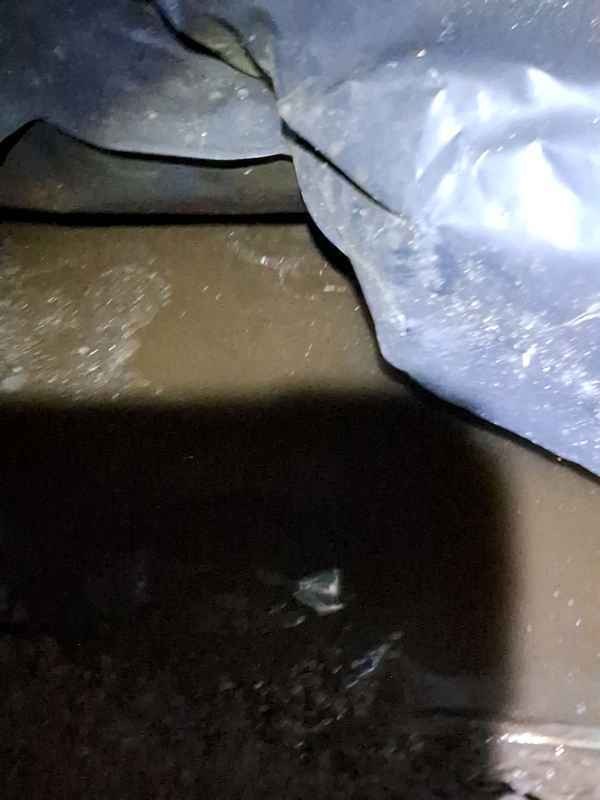
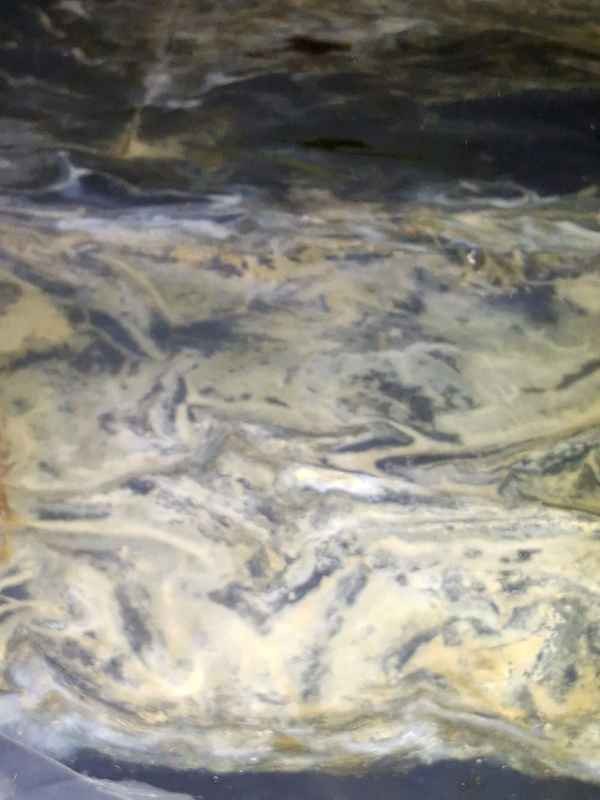
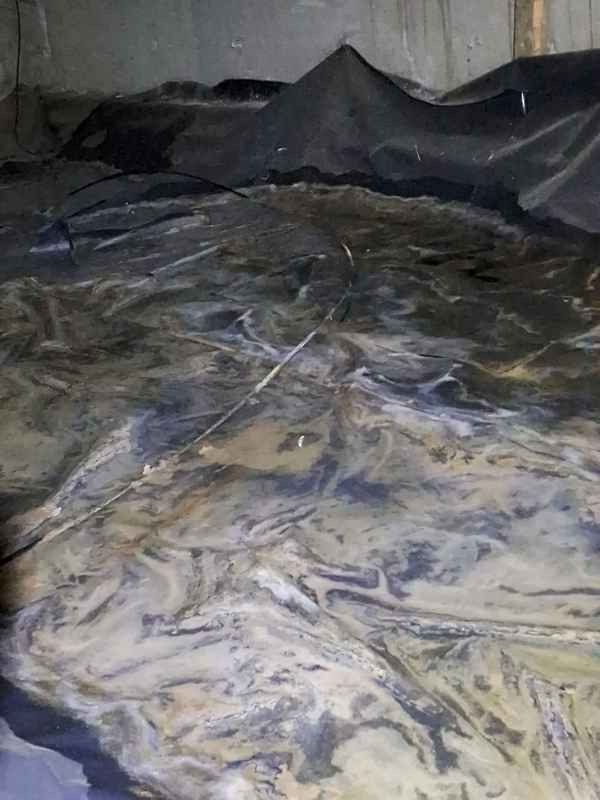
Inside, the conditions were significant: extensive standing water, saturated materials, and visible areas of apparent mold-like or microbial growth. The inspection documented the observable evidence and continued looking for conditions that could help explain it.
What the inspection documented
Extensive pooled water was visible throughout accessible portions of the crawlspace.
Relative humidity readings were in the low 90% range at the time of inspection.
Widespread apparent mold-like or microbial growth was visible on the vapor barrier and near pooled water.
The vapor barrier was wet, displaced in areas, and no longer performing as intended.
Operable crawlspace foundation vents were closed during midsummer, restricting ventilation.
A strong musty or mildew-like odor supported the visual evidence of elevated moisture.
Measured evidence
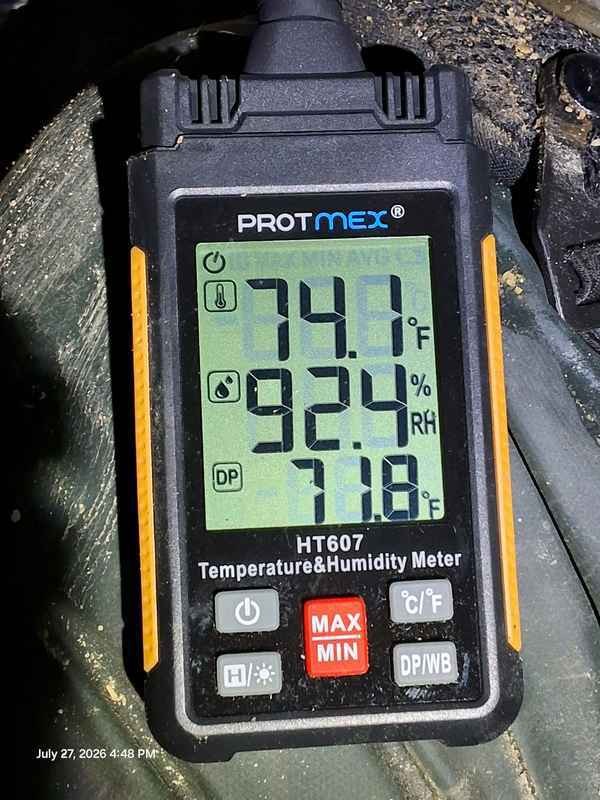
The recorded relative humidity was in the low 90% range. Combined with standing water, a musty odor, saturated materials, and visible growth, that reading indicated conditions that can support fungal growth, wood decay, corrosion, pest activity, insulation damage, and deterioration if the moisture source is not corrected.
Visual inspection cannot identify the species or full extent of fungal contamination. Qualified mold-remediation or indoor-environmental evaluation was recommended.
Following the evidence
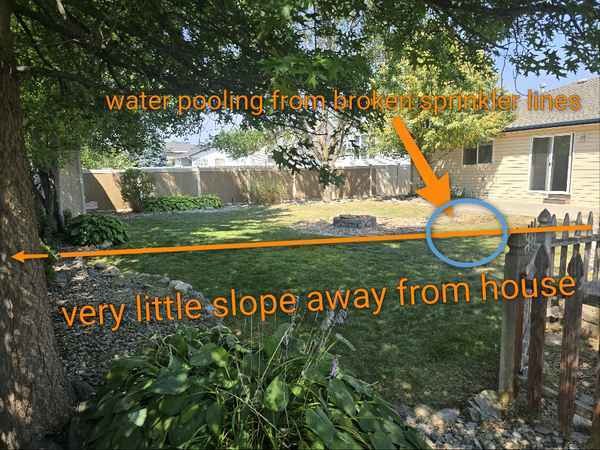
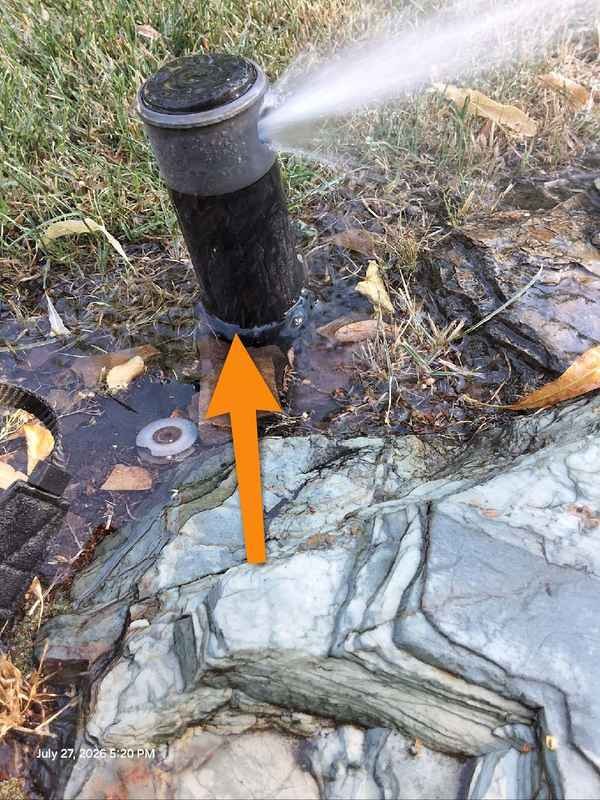
Exterior conditions offered an important clue. Water was observed pooling near the rear patio, where the surrounding grade provided very little slope away from the home. Water was also seen percolating or bubbling up near a sprinkler head, indicating a suspected broken underground irrigation line.
Based on the timing, location, and amount of water, the irrigation leak was considered a likely contributor to the crawlspace flooding. The report appropriately kept other possible sources in view, including drainage, grading, groundwater, and concealed plumbing leakage.
Why finding the likely source matters
If water removal and remediation happened before the contributing source was corrected, the moisture could return. Connecting interior evidence with exterior site conditions gave the client a logical sequence for further evaluation and repair.
Recommended next steps
Choose an inspector who follows the evidence, explains the priorities, and helps you understand the next step.